PHP vs. IOP: Which Level of Outpatient Care Is Right for You?
Outpatient treatment is not one thing. A partial hospitalization program (PHP) and an intensive outpatient program (IOP) differ in weekly hours, clinical intensity, and who they fit. PHP generally means 20 or more hours a week; IOP generally means 9 to 19 hours. The right choice depends on stability and safety, not preference.
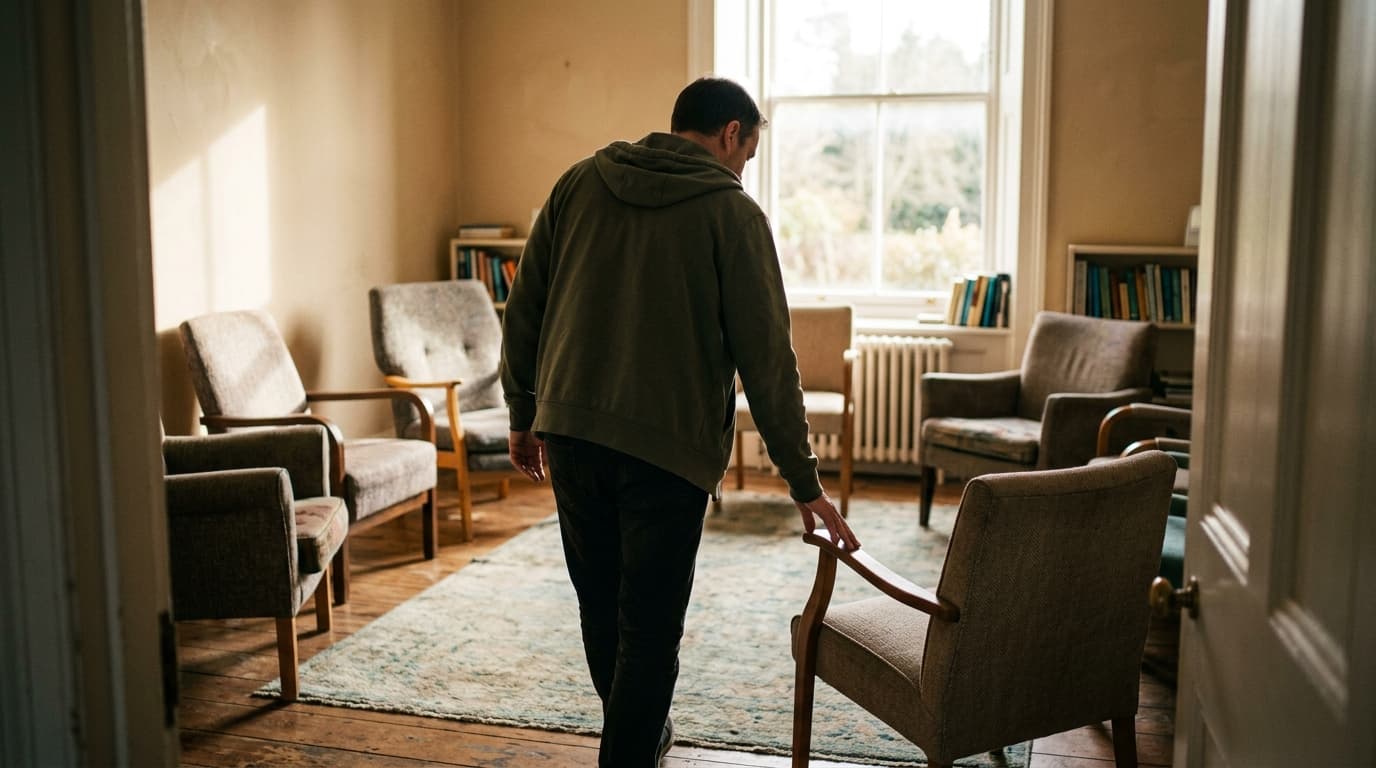
Same setting, different intensity
Outpatient care lets a person live at home, keep sleeping in their own bed, and still get structured treatment during the day or evening. But "outpatient" is not one level of care. It is a range, and the two most common steps within it, partial hospitalization programs (PHP) and intensive outpatient programs (IOP), differ in hours, structure, and who they are built for. Getting the match right matters more than picking the option that sounds most serious or the one that is most convenient to a work schedule.
Here is the short version: PHP is generally the more intensive outpatient option. IOP provides fewer weekly treatment hours and more time outside the program. The right choice depends on clinical needs, safety, medical and psychiatric stability, the person's living environment, and their ability to participate, not on hours alone.
PHP and IOP at a glance
| Feature | IOP | PHP |
|---|---|---|
| ASAM level for substance use treatment | Level 2.1 | Level 2.5 |
| Typical adult treatment time | 9 to 19 hours per week | 20 or more hours per week |
| Typical schedule | At least 3 days weekly, often with daytime, evening, or mixed options | Several hours daily, most weekdays |
| Overnight care | No | No |
| Clinical intensity | Structured therapy, education, skills training, medication management, recovery support | More frequent clinical contact, closer monitoring, psychiatric or medical services |
| Best fit | People stable enough for substantial time outside treatment | People who need near-daily structure but not 24-hour care |
The American Society of Addiction Medicine (ASAM) describes adult IOP as 9 to 19 hours of structured programming weekly and PHP as 20 or more hours weekly, with adolescent thresholds set lower, generally beginning around 6 hours weekly for IOP. It is worth saying plainly: PHP is an outpatient level of care despite the word "hospitalization" in its name. Nobody sleeps there. It just means the days are fuller and the clinical team is watching more closely.
Who tends to fit IOP
IOP tends to work for someone who:
- Has a mild to moderate substance use or mental health condition that needs more than a weekly therapy appointment but not daily intervention.
- Is medically and psychiatrically stable enough to spend nights, and a good part of most days, outside of treatment.
- Can maintain their own safety between sessions.
- Has a reasonably stable place to live and reliable transportation or telehealth access.
- Can already use coping skills, relapse-prevention strategies, and a crisis plan without needing hourly check-ins.
- Is stepping down from PHP or a residential program and building back toward independence.
For substance use disorders specifically, ASAM placement decisions are based on a six-dimensional assessment covering withdrawal and intoxication risk, biomedical conditions, emotional and behavioral conditions, readiness to change, relapse or continued-use risk, and the recovery environment. A diagnosis alone never determines whether IOP or PHP is the right fit. Two people with the same diagnosis can need two very different intensities of care.
Who tends to fit PHP
PHP tends to work for someone who:
- Needs daily or near-daily treatment and monitoring.
- Has psychiatric, behavioral, or substance use symptoms too severe for ordinary outpatient visits or IOP.
- Needs coordinated medication evaluation, psychotherapy, skills training, case management, and recovery support in the same week.
- Is experiencing real functional impairment, meaning work, school, or home life is genuinely difficult right now, but does not need 24-hour residential or inpatient care.
- Has enough medical and psychiatric stability to be safe overnight without staff present.
PHP is generally intended for people with greater instability across those six ASAM dimensions who need 20 or more hours of clinically intensive programming per week while still being safe enough to go home each evening.
When outpatient care may not be enough
Neither IOP nor PHP is designed for every situation. Outpatient care may be insufficient when a person has:
- Severe or potentially life-threatening withdrawal risk, particularly involving alcohol, benzodiazepines, or other sedative drugs.
- Active suicidal intent, a recent serious suicide attempt, or difficulty maintaining safety.
- Psychosis, mania, severe agitation, or cognitive impairment that requires continuous supervision.
- Unstable medical illness that requires 24-hour monitoring.
- No safe place to stay, or an environment that makes abstinence or treatment participation unsafe.
Clinical guidance identifies IOP and PHP as potentially appropriate for mild to moderate withdrawal symptoms when severe or life-threatening withdrawal is not expected; someone at higher withdrawal risk usually needs medically monitored detoxification or a more intensive setting first. If there is any immediate danger, call emergency services or go to the nearest emergency department. In the United States, call or text 988 for suicide or mental health crisis support.
What actually happens in treatment
Depending on the diagnosis and the program, outpatient care at either level may include individual, group, and family therapy; cognitive behavioral and other evidence-based approaches; motivational interviewing and relapse-prevention work; psychiatric evaluation and medication management, including medications for opioid, alcohol, or tobacco use disorder when appropriate; withdrawal monitoring coordinated with medical care; peer recovery support and case management; and safety and crisis planning.
More hours do not automatically mean better treatment. The clinical goal, described throughout ASAM's national practice guideline, is the least intensive setting that can safely and effectively meet a person's current needs, with a fast move to a higher level if symptoms or safety risks worsen, and a step down when stability holds.
Practical questions to ask any program
Before choosing, it helps to ask: Is the program licensed and accredited where required? What diagnoses and substances does it treat? How many hours and days are required each week? Is medical or psychiatric coverage available during program hours? How are medication management and withdrawal concerns handled? What happens after hours and on weekends? How does the program respond to suicidal thoughts, relapse, or a missed session? Does it offer transportation, family involvement, telehealth, and language or disability accommodations? And what step-up or step-down options exist if needs change?
Telehealth can widen access for some people, but it is not appropriate when privacy, reliable connectivity, safety monitoring, or withdrawal assessment cannot be assured.
Insurance and cost, briefly
Coverage is plan-specific. Commercial insurance, Medicare, and Medicaid may define PHP and IOP differently and apply different authorization rules, network requirements, and documentation standards. Under the federal Mental Health Parity and Addiction Equity Act, financial requirements and treatment limitations for mental health or substance use benefits generally cannot be more restrictive than those applied to comparable medical or surgical benefits, though plan terms and exemptions still matter. Before enrolling, it is worth confirming whether the program is in network, what preauthorization is required, and how a change in level of care might affect that authorization.
How to choose
A clinician should reassess the level of care whenever withdrawal risk, suicidality, psychosis, intoxication, medication response, relapse risk, or housing safety changes. Programs like East Point Behavioral Health offer both PHP and IOP, along with half-day and evening scheduling, so care can flex as a person stabilizes. The goal is never the most intensive option available or the most convenient one on paper. It is matching the level of care to what someone actually needs right now, then stepping down as recovery holds. If you are unsure which level fits, a clinical assessment, not a guess, is the next right step.
Keep reading

How a Personalized Treatment Plan Actually Gets Built
A real treatment plan is built from a whole-person assessment, honest safety screening, and evidence-based options matched to that person, then revised as things change. It is not a diagnosis-based template. Here is what actually goes into building one, and what to ask if you are not seeing it.
What Detox Really Involves, and Why Medical Supervision Matters
Detox is the first step of recovery, not the whole of it. Here is what medically supervised detox actually involves, why the setting is chosen based on risk rather than preference, and why it must lead into ongoing treatment to matter.

Evening and Half-Day Treatment: Getting Help Without Quitting Your Job
For many people, the barrier to treatment is logistics: a job, kids, and a life that cannot pause. Flexible outpatient care, including intensive outpatient programs offering 9 to 19 hours of weekly treatment, is built around work and family schedules so people can get well without stepping out of daily life.

Inside a Day Treatment Program: What a Typical Day in PHP Looks Like
Day treatment, also called a partial hospitalization program or PHP, is the most intensive care available while still sleeping at home. A typical day includes check-in, individual and group therapy, psychoeducation, and medication management, usually 20 or more hours a week for substance use care.
Behavioral Health Updates is an independent industry publication published by vProGo.